Dev Log No. 1: Word From the Shore
The site is live, the waitlist is open, and the sea finally reaches the beach. A first honest note from building Roanoke.
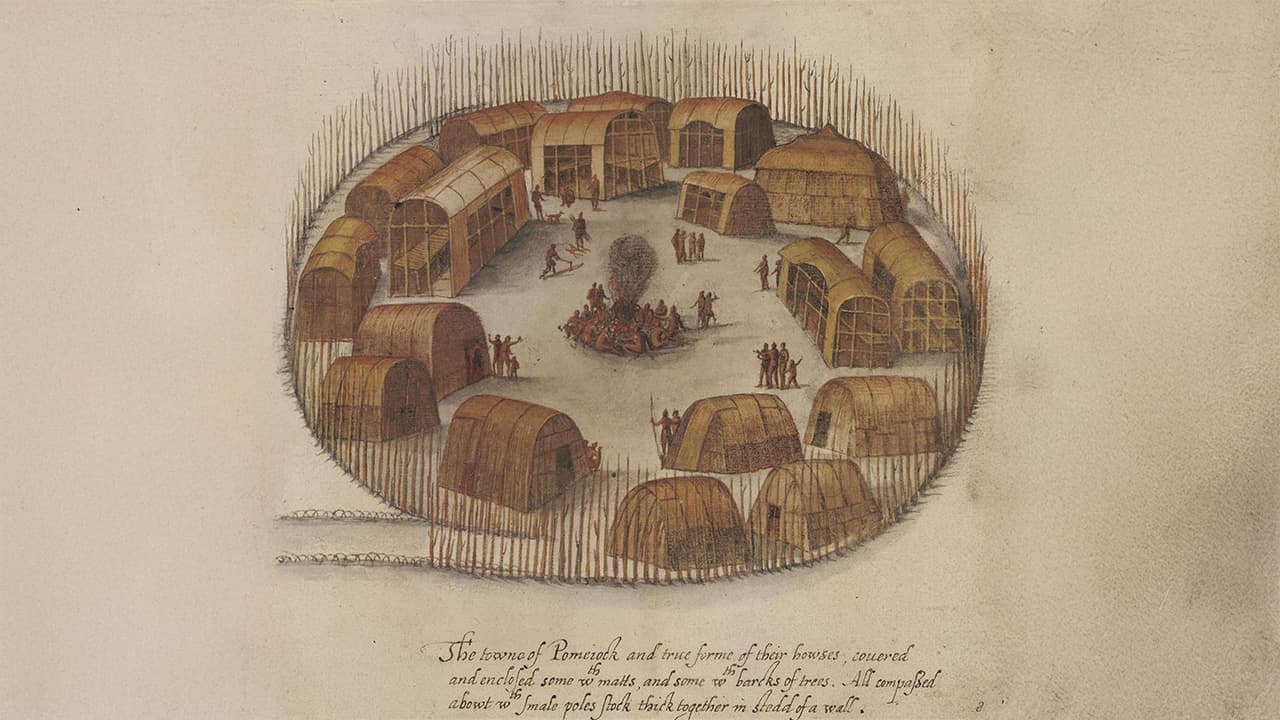
The site you are reading is new, the waitlist is open, and after a long week the sea finally reaches the beach. This is the first dev log: a plain account of what we are building and what it took to get here. There will be more of these, posted when there is something real to say and not before.
What Roanoke is
Roanoke is an open-world survival game set in the mystery of America's Lost Colony. You wake on the Outer Banks in 1587, survive a coast modeled on the real one, build a foothold, and read the land for what became of the hundred and more people who vanished from this island. We research the history closely and take our liberties honestly. The rest of this note is about the making.
The sea, reworked
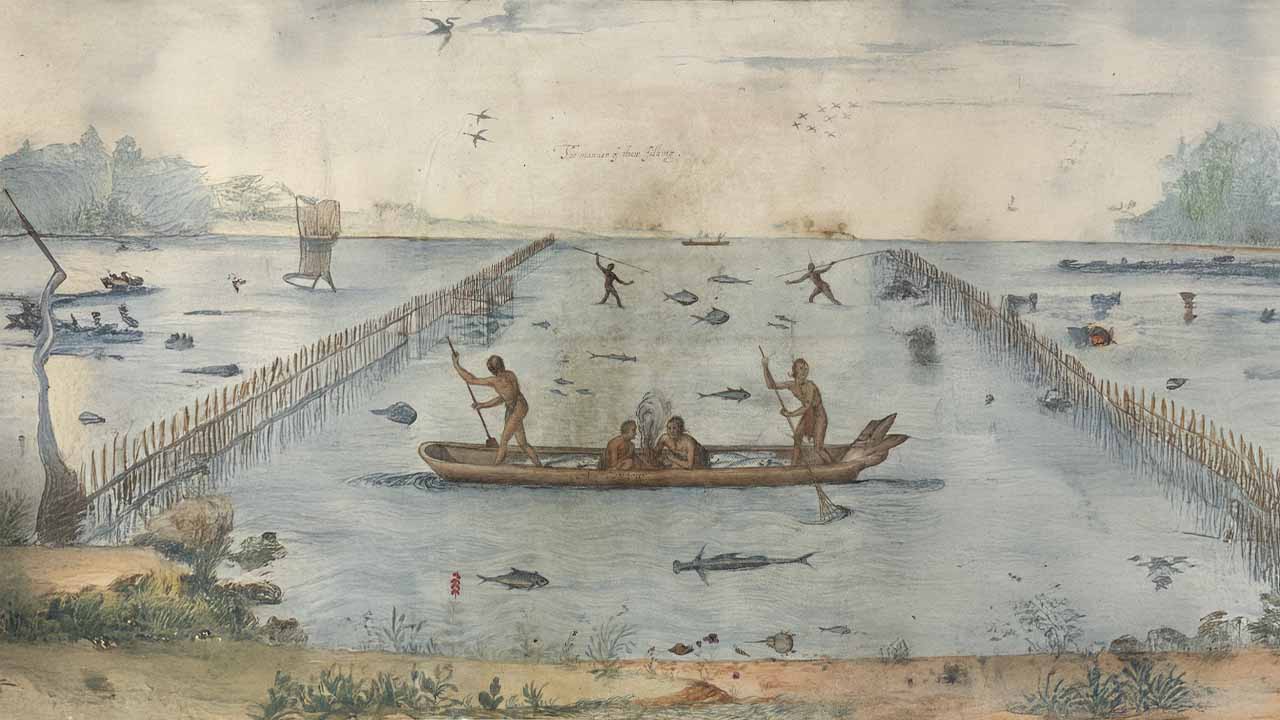
The water had a quiet problem. The wave math beneath it was sound, a twelve-part Gerstner system with real deep-water motion, but the shader painted over its own lighting and the shoreline machinery was wired to a depth value that was always zero. The waves moved and broke nowhere. Over one long session we rebuilt it. The surface now takes real light from the sky, and a bake of the terrain height feeds the water a true sense of how deep it is at every point. Waves shoal as the bottom rises, steepen, and break where the physics say they should.
On top of that came the smaller, human details: the thin sheet of water that runs up the sand and slides back, wet sand that darkens where the sea has touched it, and footprints, boot and deer and horse, pressed into the shore and slowly given back to it.
Foam, and the far water
Foam used to be a single flat wash of white. It is now four layers working together: a solid core of whitewater, torn sheets, a fine lace that eats holes in them, and wind-stretched streaks. To draw the ocean out to the horizon without drowning the machine, the mesh telescopes: a dense patch under the camera, a coarser ring beyond it, coarser still past that. The whole sea now costs roughly a third of the triangles it did before while carrying more detail where the eye actually rests.
Where the water meets the beach
The hardest work was the least visible. The request was simple, that the sea meet the sand along the true waterline instead of a hard straight cut, and it uncovered a small pile of bugs. One shader read a value that does not exist in the stage it ran in, and failed to compile with no line to point at. A stray character inside a comment quietly broke the whole material. A map of where the water could reach was never rebuilt when the water rose. Each looked identical from a chair in front of the game, and each needed a different fix. In the end the waterline itself had been sitting a couple of meters too low, and raising it closed the gap.
The shore is where the hard problems live. It is also the first thing you see.
The three at the camp
The colony was real people, and the camp keeps three of them: Thomas Harriot, the scholar who learned the Algonquian tongue from Manteo and wrote the first English account of this coast; Ralph Lane, the soldier who governed the earlier expedition; and John White, the painter and governor whose granddaughter was the first English child born here. Each carries roughly thirty lines of talk that shift with the weather, the hour, and how you have treated them. Speak to one and the camera settles into an over-the-shoulder shot. Cross them and all three take up muskets and hold their ground until you give them room.
Buried things
Scattered near the camp are half-buried chests, mounds you can dig open to find a flintlock turning slowly in the light. The first time we placed them, several spawned under the sea, because the code measured against the old sea level and not the new, higher waterline. It was the same lesson the water taught us, learned twice: on this coast, everything depends on where the water actually is.
Word from the shore
Roanoke is single-player first, with small co-op on the roadmap, and it does not have a date. What it has is a shape now, and steady hands on it. If you want the next of these before anyone else, join the waitlist below. The dev logs go out to that list by email, and the launch will too. No noise, only word from the shore when there is something real to share.